Home Eletrical Cables Extra High Voltage (EHV) Cables: The Invisible Arteries of Modern Power
Extra High Voltage (EHV) Cables: The Invisible Arteries of Modern Power

Description

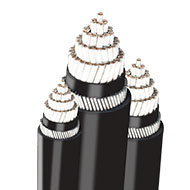
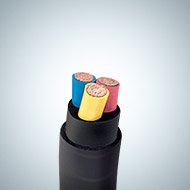
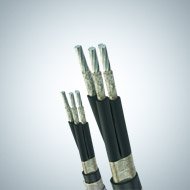
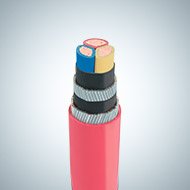
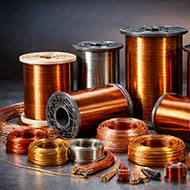
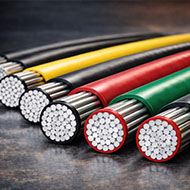
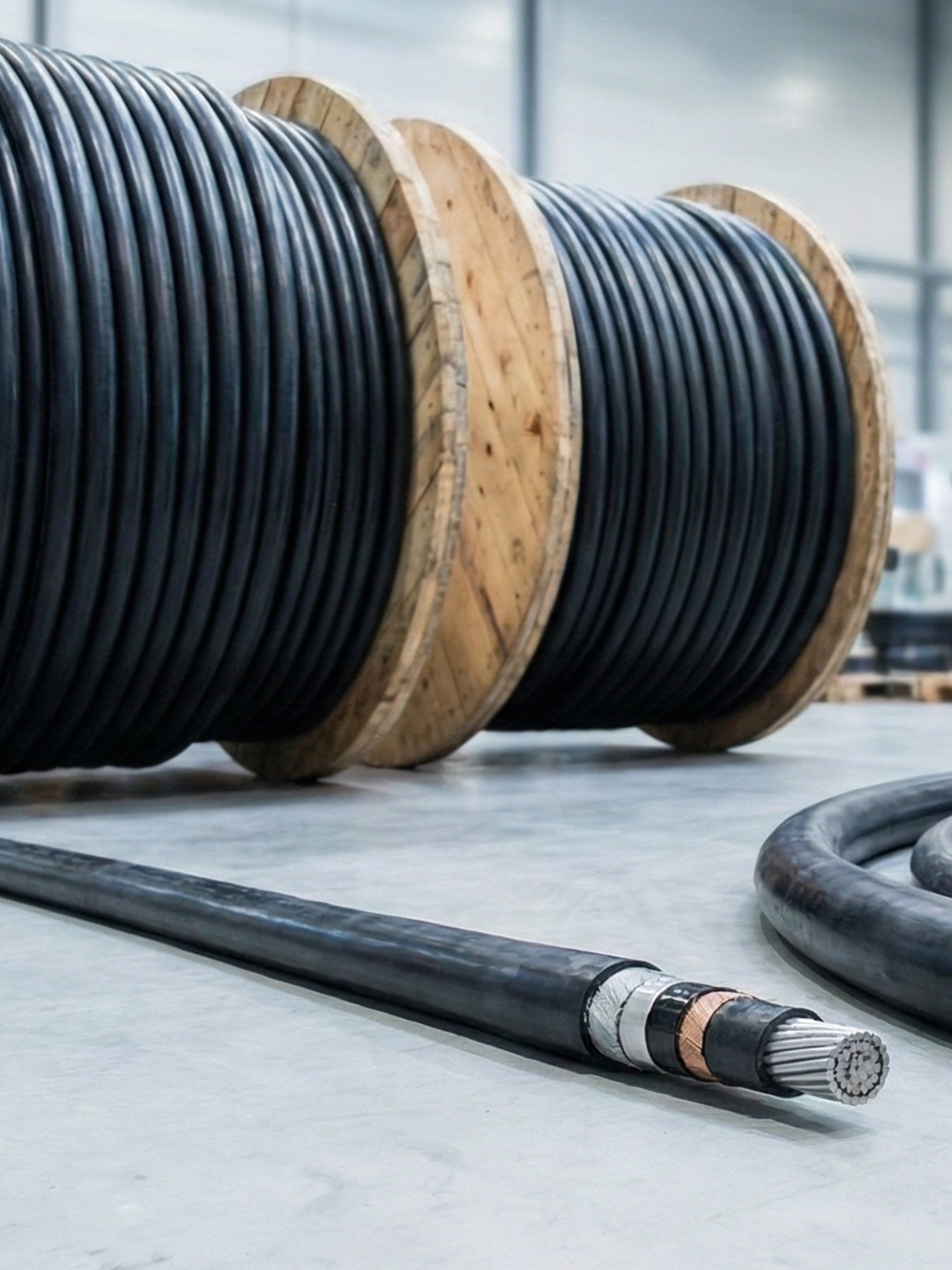
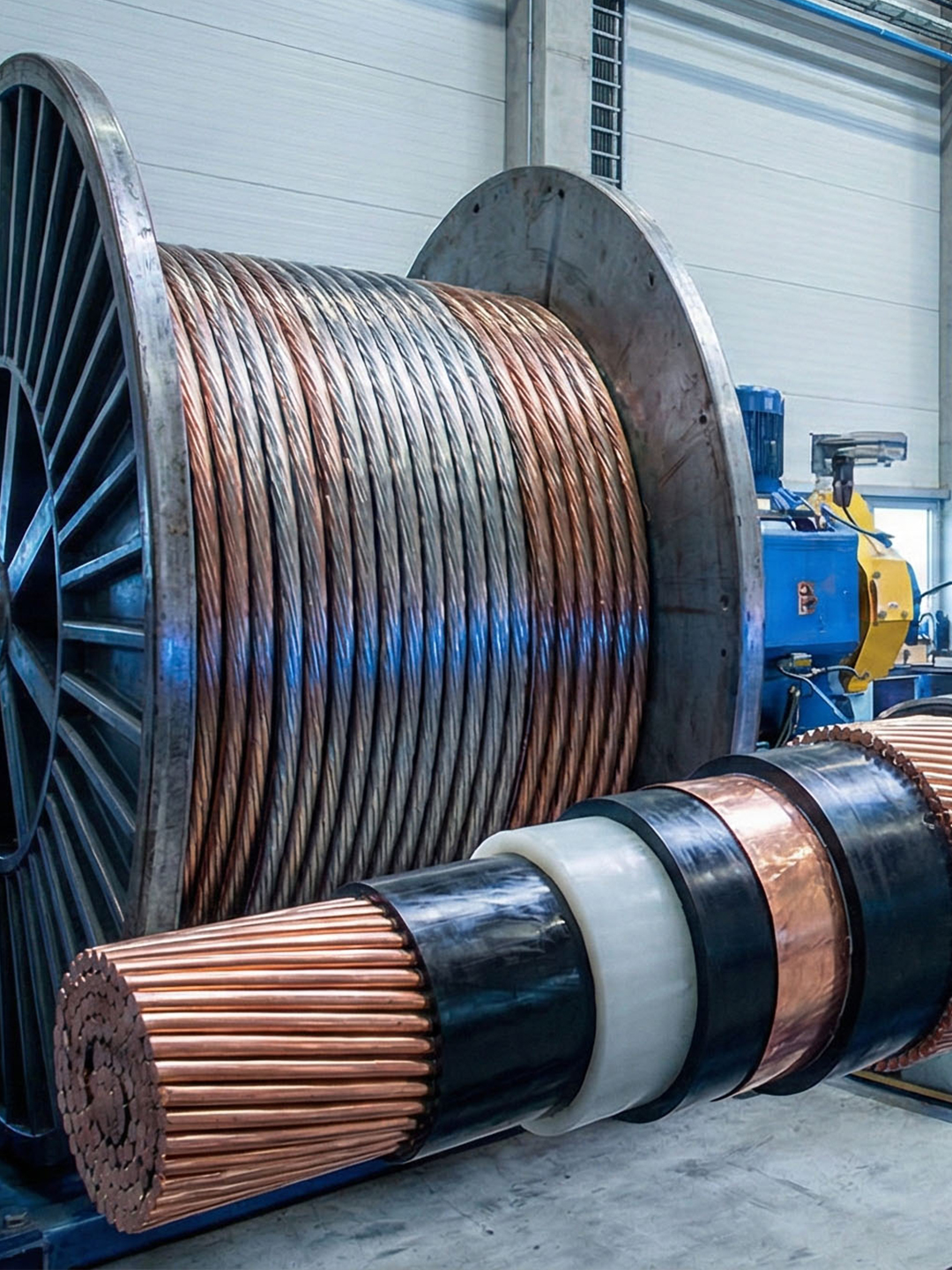
The Engineering Inside: More Than Just a Wire You might imagine a cable is just a thick piece of copper wrapped in plastic. But at 400,000 volts, a simple wire would fail instantly. An EHV cable is a complex, multi-layered composite system designed to contain immense energy safely. Here is what keeps the power flowing: The Conductor: The core, usually made of highly conductive Copper or Aluminum. It’s the path the current takes. The Insulation (XLPE): This is the game-changer. Most modern EHV cables use Cross-Linked Polyethylene (XLPE). It is heat-resistant, moisture-resistant, and can withstand incredible electrical stress without breaking down. Metallic Sheath: A layer of lead or corrugated aluminum that acts as a fortress against water and provides a path for fault currents (a safety valve for the grid). Outer Protection: A tough outer jacket (HDPE or PVC) that shields the cable from rocks, soil pressure, and corrosion underground. Why Do We Need EHV Cables? Why go through the trouble of manufacturing such complex cables? 1. Urbanization and Space Constraints You can't easily build giant overhead transmission towers in the middle of a dense city like London, New York, or Mumbai. EHV cables allow us to bury high-capacity power lines underground, keeping city skylines clear and safe. 2. Efficiency Over Distance The physics is simple: the higher the voltage, the lower the current needed to transmit the same power. Lower current means less heat is wasted. EHV cables maximize efficiency, ensuring the power generated at the plant actually reaches your socket. 3. The Green Energy Revolution Solar parks and offshore wind farms are often located far from where people live. EHV subsea and underground cables are the critical link connecting these remote green energy sources to the national grid. Key Features & Benefits Voltage Range: Available from 66kV, 110kV, 132kV, 220kV, up to 400kV/500kV. Low Transmission Loss: Designed to minimize energy waste over long distances. High Thermal Stability: XLPE insulation can handle operating temperatures up to 90°C. Low Maintenance: Once installed correctly underground, EHV cables require far less maintenance than overhead lines exposed to storms and wind.
SIDEBAR ACCOUNT
Categories