Home Eletrical Cables Low Voltage Cables – Safe and Efficient Power Distribution Solutions
Low Voltage Cables – Safe and Efficient Power Distribution Solutions

Description

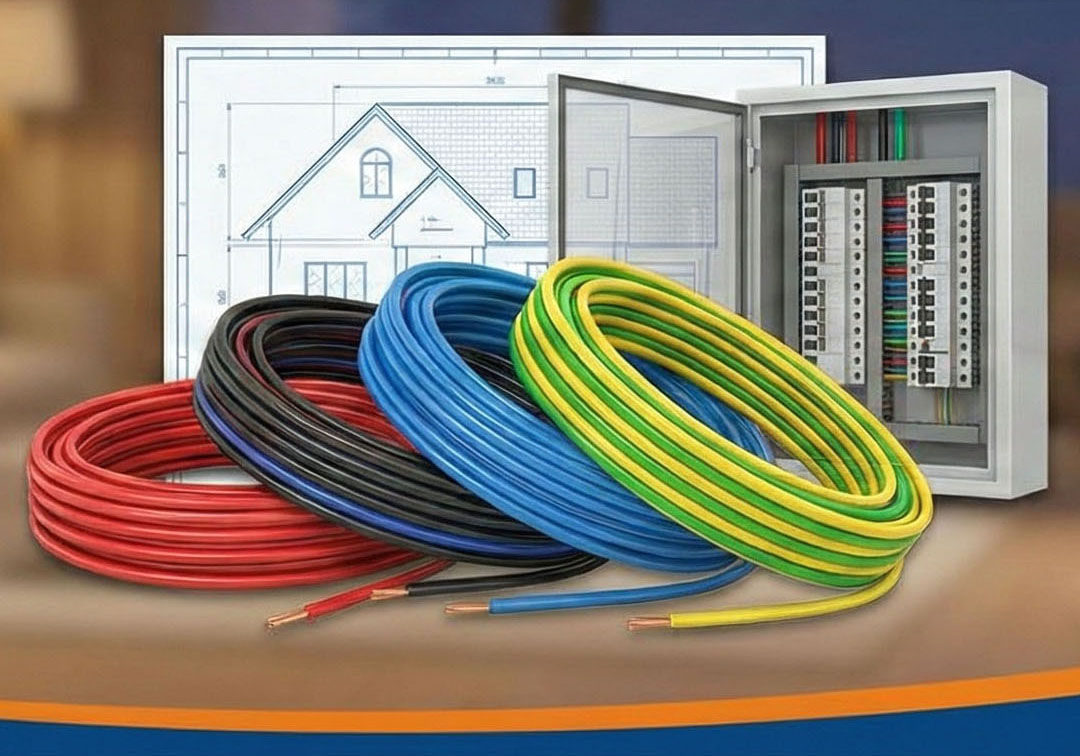
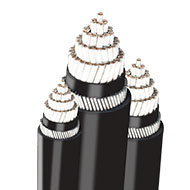
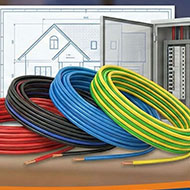
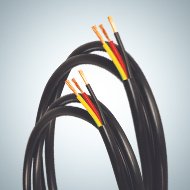
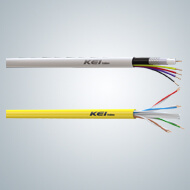
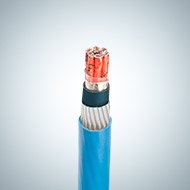
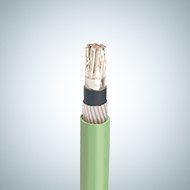
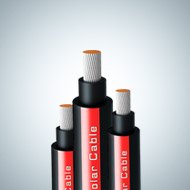
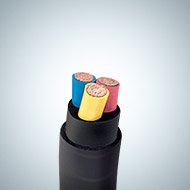
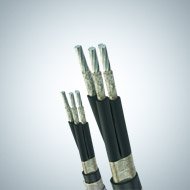
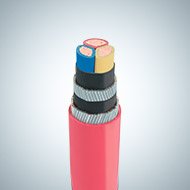
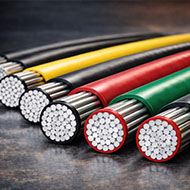
Types of Low Voltage Cables Low voltage cables are designed to meet diverse application needs. Some common types include: 1. PVC Insulated Low Voltage Cables PVC insulated cables are widely used for general wiring due to their flexibility, cost-effectiveness, and ease of installation. They are suitable for residential and commercial electrical systems. 2. XLPE Insulated Low Voltage Cables XLPE insulated cables offer higher thermal resistance and better electrical performance compared to PVC cables. They are commonly used in industrial applications and power distribution panels. 3. Armoured Low Voltage Cables Armoured cables provide additional mechanical protection, making them ideal for underground installations and environments where physical damage is a concern. 4. Flexible Low Voltage Cables These cables are designed for applications requiring frequent movement or vibration, such as machinery, appliances, and temporary power connections. Key Features of Low Voltage Cables Low voltage cables are engineered to deliver safe and efficient power distribution with the following features: High electrical conductivity Strong and durable insulation Excellent flexibility for easy installation Resistance to heat, moisture, and chemicals Low power loss and stable performance Long service life with minimal maintenance These features make LV cables reliable for both permanent and temporary installations. Applications of Low Voltage Cables Low voltage cables are used across a wide range of sectors, including: Residential and commercial buildings Industrial plants and factories Power distribution panels and switchboards Lighting and control systems Renewable energy systems (solar and battery storage) Data centers and IT infrastructure HVAC and automation systems Their versatility makes them suitable for almost every electrical application. Advantages of Low Voltage Cables Using high-quality low voltage cables offers several benefits: Enhanced electrical safety Reliable power distribution Reduced risk of electrical faults Easy installation and maintenance Cost-effective power solutions Compliance with safety and quality standards Well-designed low voltage cables help ensure uninterrupted power supply and long-term system efficiency. Factors to Consider When Choosing Low Voltage Cables Selecting the right low voltage cable depends on several important factors: Rated voltage and current capacity Conductor material and size Insulation and sheath material Installation environment (indoor, outdoor, underground) Fire resistance and safety standards Expected load and future expansion needs Proper selection ensures safe operation and optimal performance throughout the cable’s lifespan. Importance of Quality Low Voltage Cables Low voltage cables are critical for everyday electrical operations. Substandard cables can lead to power loss, overheating, electrical hazards, and frequent maintenance issues. High-quality low voltage cables ensure consistent performance, improved safety, and long-term reliability. Investing in certified and well-manufactured LV cables is essential for building dependable electrical systems.
SIDEBAR ACCOUNT
Categories